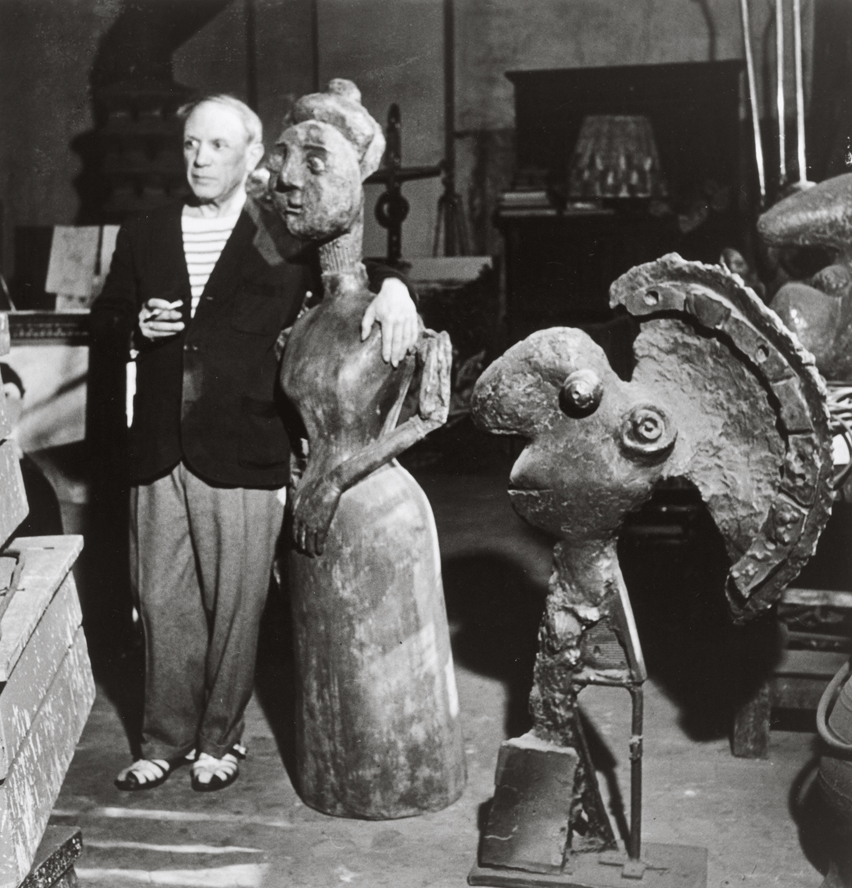
We began at a gallery exhibiting the photography of Brassai, witnessing photographs both enchanting and disturbing. Brassai knows light, follows it around the street’s of Paris, moving within it as if the shadow of light itself. He photographs the world with light, which photography already accomplishes ontologically but he does so figuratively. Handling light as a paintbrush to ensure the world is more beautiful in it’s reproduction. The disturbing are his photographs of statues and sculptures, which he undoubtedly also knew since they are almost common subjects of his. The latter is the focus for this passage, not in terms of their interpretation as Brassai’s images, but rather leaving with the effectuation of an idea regarding the conflation of statues and photography.
Something awful happens when viewing the photograph of a statue and it is to do with the specific experience of viewing the statue inside a photograph. The statue like any other object lures the photographer, being there before he could know it, yet the obscenity lies within the statue having already been viewed and the possibility for it to still be viewed publicly. Although it’s creation maybe finished viewership is not, to experience the statue doesn’t necessitate access to it’s creative conditions and learning of such anyways wouldn’t change it either. So, an odd duplicity and re-doubling occurs as we view statues as a frozen figure, or a figure frozen (both being statues simple history) and the photographic medium’s freezing of space in time. Statues in the photographic medium fail to change themselves from the actual statue in perception. Yet, we are given another viewing, another way of viewing through the statues replication of our perception of it. That is why the statue is too close to the photograph itself, posed in a manner so fitting for the moment. Aware of the time the photograph was taken and having figured their own bodies accordingly, too accordingly and ready for us to see them. Like the artists eyes having returned back to the statue, to live again before it’s completion and in it’s own conception. This is the secret told to the statue from the photograph, which is maybe shared with the sculptor or photographer, perhaps the photographer gives it back to the sculptor.
The photographer comes from behind the admiration elicited in the regular experience of statues and makes it pose in its own image. He understands it’s body and wishes to capture it amidst the world it’s in, taking it’s image with the world moving ahead and offering it a frame, whereas we usually surround the sculpture ourselves and inspect it’s form as if we come before it (looking innocuously because we don’t thinks it see’s us). Thus, as the photographer disappears in the act (of photography) of turning the statues body away from itself, the photograph comes behind the viewer through the statue. We may first contemplate the statue like any other photographed object, Picasso being the same as the sculpture beside him, except it’s courting with him; the difference between human bodies and sculptured ones vanish. The human subjects history is already stripped in the photograph, the viewer not needing to know their intentions and what’s happened beforehand to derive or create meaning. Identify with humans in photography is easy as we always assume autonomous movements before and after being photographed. But the figures of statues begin in the same place again, their photographed bodies have no difference from the time before being photographed and instead are given a new before in it. The statues body turns our memory against itself vertiginously, assenting from memory to no longer be a memory and the statue is resembled in the photographed image; even if one hasn’t seen that statue, their attributed stillness moves against the photographs and reverses it. Whilst nothing ever captured by the camera lens escapes the photo, not even statues, the statue here is reversibly freed from it’s body and can move through it’s figurations within the photographic image.
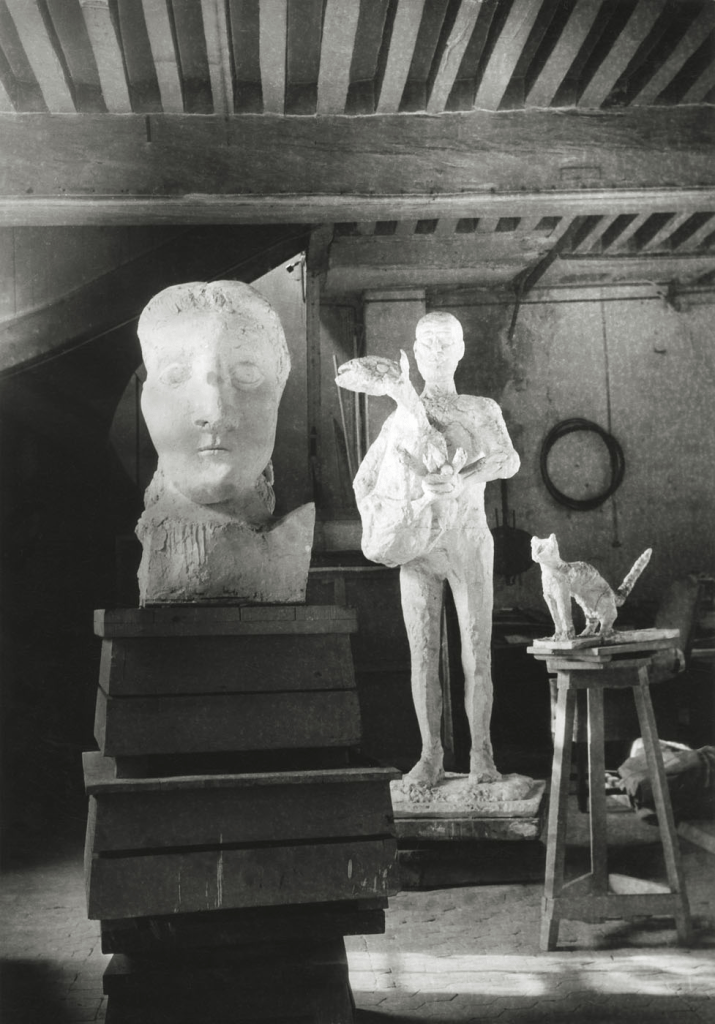
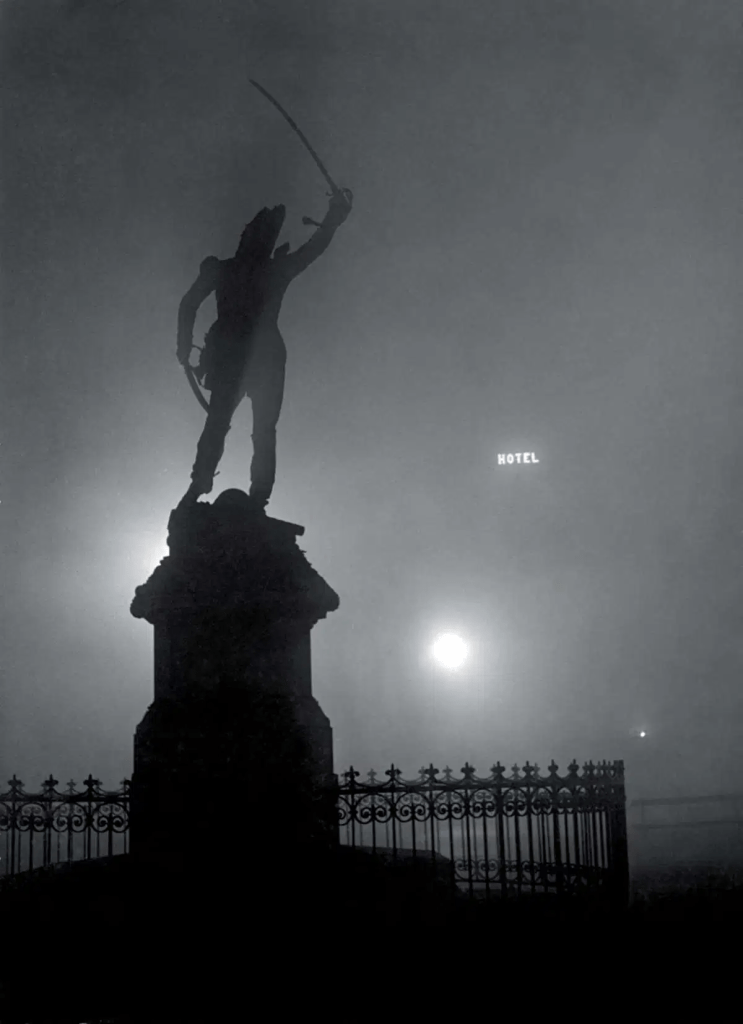
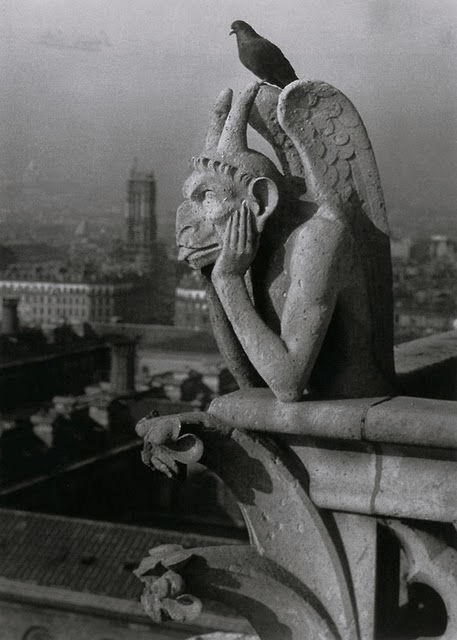
Our own images of the statue is imaged, the photograph is for the statue to reside in and exhibit itself, which is why statues are often proud, modest or coquettish in the photograph. The proud being supposedly indifferent to the photographer, who although having seen him assumes their rightful position as a memorable and historical body to continue their legacy. Whereas the modest accepts the camera, trying to stay still for the photographer and ensure the image he takes is beautiful, concerned with how she looks in the photograph. Lastly, the coquettish has nothing to with statues of women’s bodies, instead referring to it more as an intentional cliche’d feminine trope. A very parodic one for that matter which is why it is the most unsettling. The statue simulates self-effacement due to the presence of the camera and seems to be blushing in the photograph, but it is a wile to preserve the beauty they are already aware of; “withdrawing” as they believe to know how we look at them to guarantee admiration.
The life of the statues has come to the fore and we see how they don’t confront the photographer (because he is in on it) but affronts the viewer of the photograph and from it. We no longer receive (or perceive) the statue as we do spatially as it responds to being gazed, and in resisting ours, we are inverted onto ourselves from an excess of seeing. We force ourselves to look by resisting against our wish to not see and in it having already been seen try and challenge it’s gaze because we all secretly didn’t want it to have seen us. This is not necessarily out of fear but from there being nothing to see, and where trying to is akin to force feeding oneself. The statue was always already ready for our eyes and we can barely play because the photograph is finished and finishes us in the statues own image, giving it the chance to photograph us. We’d think in the West photographs of statues would be forbidden for giving life as other cultures do for taking it away, but we have allowed statues to defy and move beyond their corporeal poses and return their body back to the world and perception.

